 English
 ภาษาไทย

Languages
Modern Nursery School in Thailand Important Factors to Consider
Submitted by chernobylkidsadmin on Fri, 03/20/2026 - 16:53
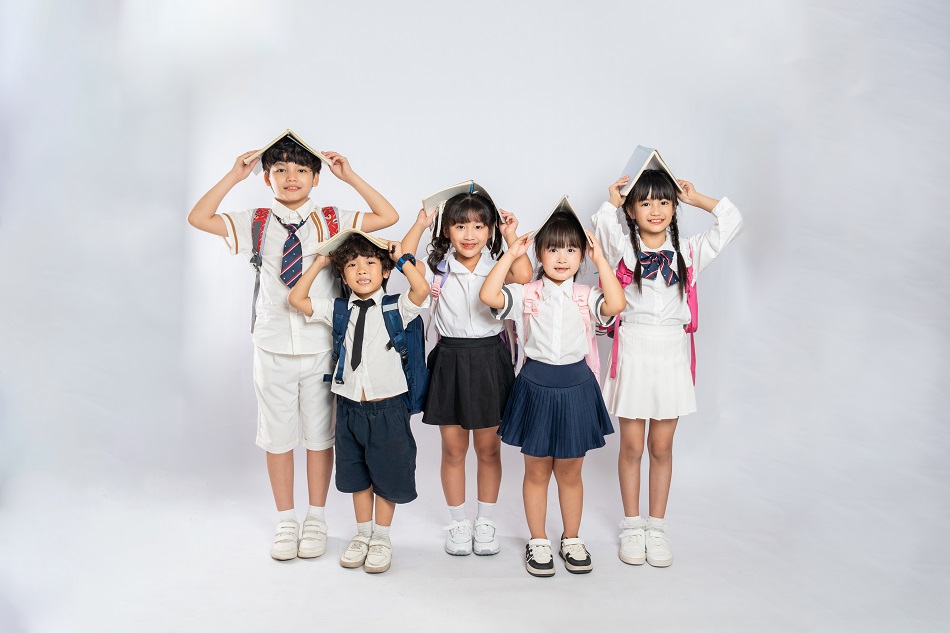
For new parents in Thailand, choosing a first educational environment for their child is both an exciting milestone and a challenging one involving considerable uncertainty. A nursery school acts as the link between home and schooling, making it a crucial stage for emotional and social growth. As the climate of international education changes, both in Bangkok and throughout Thailand, so have the requirements for a program of excellence tipped toward holistic well-behavior and adaptive learning.
Safety standards and physical environment
Safety and hygiene of the campus is a major concern for any parent. A contemporary nursery school shall prove to have strict overall safeguarding policies, such that you can take steps through secure places of access, and it has age appropriate play equipment. Indoor air quality has become an important consideration in the Thai climate parents should look for schools with advanced air filtration systems that can help to combat seasonal PM2. 5 levels. The physical environment should promote movement and exploration, including shaded outdoor areas for sensory play as well as air-conditioned indoor classrooms that do not have a clinical feel.
Play Vs Structured: The Balance
The educational philosophy can vary between different nurseries (preschool), a reputable nursery school tends to follow a play or inquiry based approach, such as the Early Years Foundation Stage (EYFS) or Reggio Emilia. These frameworks acknowledge that preschool age children learn best through active experience and social interaction. Parents should look to see if there’s enough room in the daily schedule for child-led exploration as opposed to a strict, desk-based program. The goal at this stage is to inspire a love of learning while developing fine motor skills through activities such as painting, building and rhythmic movement.
Staff qualifications and pastoral care
The single most important factor in a child’s early experience is the quality of interaction that the teacher manages to create with him. Be sure to ask about the qualifications of lead teachers and staff-student ratios. Child to staff ratio is low enough that every child receives the individual attention they need for emotional safety. Pastoral care in nursery school works best when the educators are qualified and experienced to understand separation anxiety and help build self-regulation. A school visit can yield a lot of information about the culture in a few minutes. How staff respond to a child’s curiosity, excitement, fear or distress at different ages tells more even than any student guidebook.
Communication and parental partnership
Most parents of today want clear and regular insight into their child’s experience. International nurseries have embraced digital platforms to share real-time updates, photos and developmental reports. A good nursery school build a sense of community through parents who participate in school events, and providing resources to parents to support learning at home. This collaboration offers the child a stable transition and parents feel more involved in their child's everyday life and successes.
Language immersion and cultural integration
Language development is a major priority in the international education in Thailand. Whether the school provides full immersion in English, or whether it has a bilingual offering for those students who requires that approach with fewer hours of English instruction during the day, natural language acquisition through social cues and storytelling should remain its focus. Also, within an international curriculum, embedding Thai culture and values of respect and community spirit means that children stay grounded in their own culture as they are prepared for a world future.